
Increase Your Agricultural IQ
 Whether you’re growing your very first garden, or have been gardening for years, we want you to realize that growing a gorgeous garden, loaded with luscious fruits and vegetables can be simple and easy, instead of the backbreaking chore that many gardeners unknowingly endure.
You don’t have to live with a garden full of over-grown weeds, poor soil, insect pests, neglected plants, or vegetables and fruits that just refuse to produce for you. With the right information and application of agricultural knowledge, science, and technology you can create a lush and productive garden, without being overwhelmed by the problems, mistakes, and frustrations that can ruin your entire gardening experience.
You can transform an ordinary looking vegetable garden into an ornamental showcase that will be the highlight of your landscape. While other gardeners try to hide their vegetable plots, you’ll display yours as proudly as a prize flower bed. Your friends and neighbors will be astounded as they admire the masterpiece that you create, seemingly overnight.
Recent Posts
Here are some of our recent posts on a variety of gardening topics:

Does Weed Killer Kill Flowers?
Does Weed Killer Kill Flowers? No one wants weeds in their garden, especially when you have put time, effort, and money into your garden. It can be frustrating watching your hard work being destroyed and [...]

Best Lightweight Weed Eater
The 5 Best Lightweight Weed Eaters Reviewed If you have a fast-growing garden lawn that gets out of hand very quickly, you’ll need a weed eater to keep it under control. But getting the right [...]
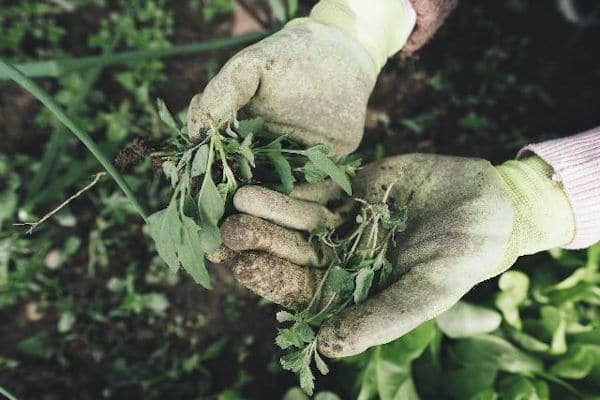
How Long Does Roundup Stay Active In The Soil?
How Long Does Roundup Stay Active In The Soil? Without hard work, nothing grows but weeds - Gordon B. Hinkley If you’re looking for a reliable solution to the weed problem in your yard, and [...]